Reusable Hangers: A Market of the Future
Five continents. One common goal.
Clothing travels around the world. Why should we use hangers just once?
A large portion of our clothing is manufactured far away from the stores where we buy it.
The hangers accompany these flows of goods. After a purchase, they’re often left behind in stores.
At the same time, new hangers are needed elsewhere.
This presents an economic opportunity that we can better capitalize on worldwide.
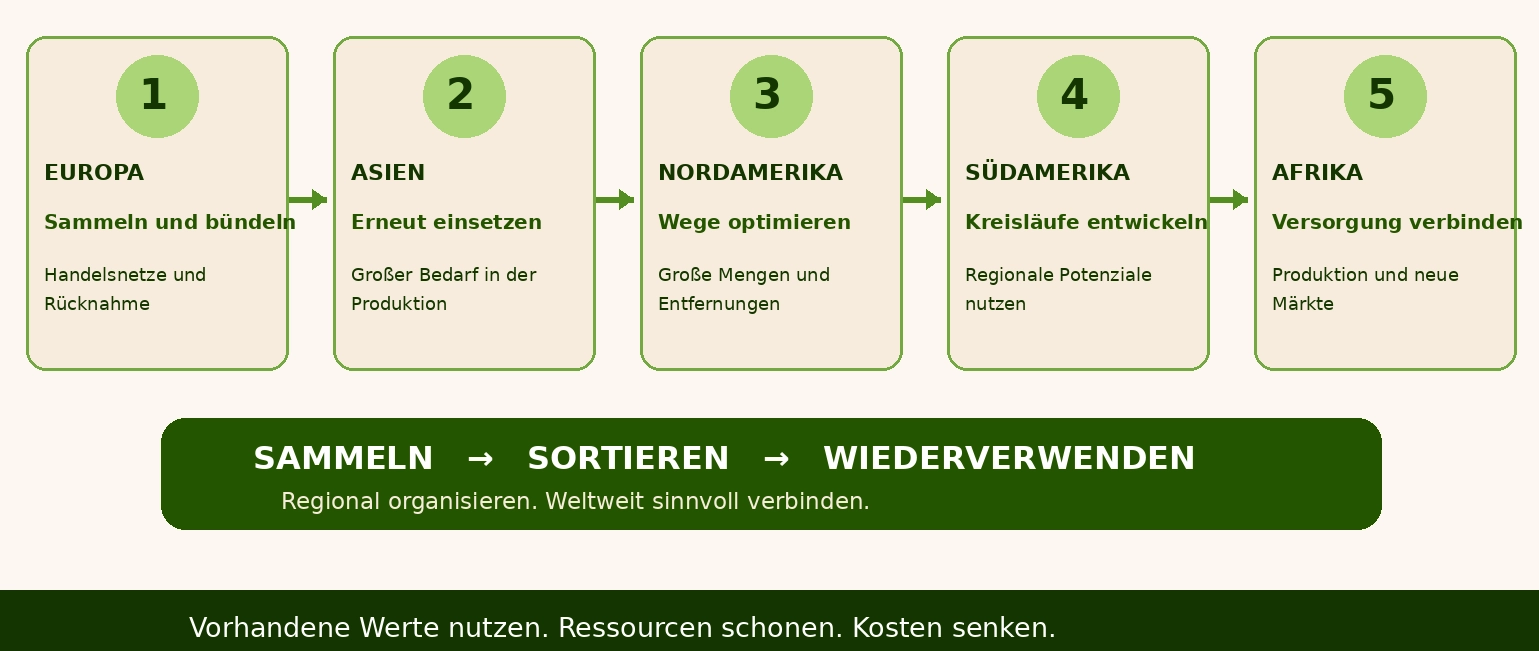
Europe: Collect and Reallocate
Europe has extensive trade networks, well-developed transportation infrastructure, and experience with the reuse of clothes hangers.
The challenge lies in linking many individual drop-off locations into an efficient collection system.
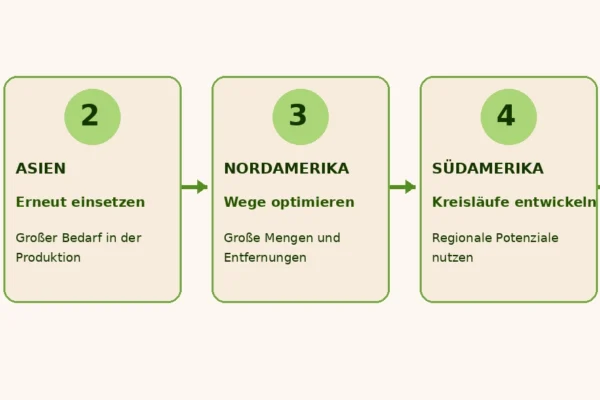
Asia: The High Demand for Apparel Production
In many Asian countries, clothing is manufactured for the global market.
This requires large quantities of clothes hangers.
High-quality used irons can meet part of this demand. This requires reliable quality, suitable models, and a well-organized supply chain.
North America: Large Volumes, Long Distances
Given its size, the North American apparel retail sector offers significant opportunities.
At the same time, long transport routes and varying trade structures require tailored collection strategies.
Here, effective logistics is key to economic success.
South America: Developing Regional Cycles
South America has its own apparel industries and large retail markets.
This opens up opportunities to collect used hangers locally and reuse them.
The extent of this potential depends on the individual countries and their trade structures.
Africa: Combining Production and Reuse
Clothing production plays an important role in several African countries. Other locations continue to develop.
Wherever clothing is manufactured, clothes hangers are needed.
This could lead to the development of new regional supply chains. Of particular interest is the integration of existing goods flows with a reliable supply of reusable hangers.
What do these markets have in common?
Basically, the same questions come up everywhere.
Where do used hangers end up?
Where are they needed again?
How can we bring both sides together economically?
And how do we ensure consistent quality in the process?
The answers will vary from region to region.
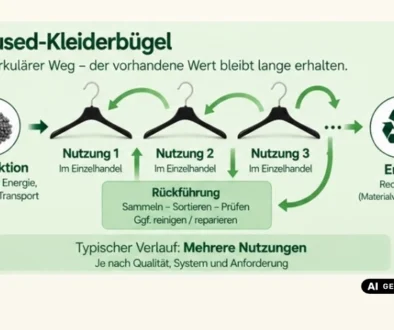
However, the basic principle remains the same: collect, inspect, sort, and reuse.
From my many years of experience in international coat hanger management, I know that the individual hanger is rarely the actual problem.
The key factor is the organization of the entire supply chain.
We need regional collection systems, efficient sorting facilities, and a reliable distribution network to clothing manufacturers.
Not every used hanger has to travel halfway around the world. Where regional cycles make sense, we should take advantage of them. Where production and demand are far apart, we must consider existing international flows of goods.
My Conclusion
The future market for reusable hangers isn’t driven solely by new products. It’s driven by making better use of the ones we already have.
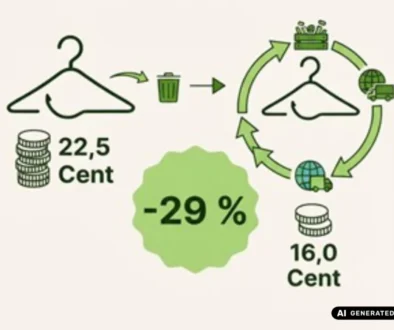
This conserves resources and can reduce costs.
This presents a shared opportunity for apparel manufacturers, retailers, and logistics service providers.
A circular economy works particularly well when all stakeholders benefit from it.
What are your thoughts on this? Where do you see the greatest opportunities for reusing hangers?
#GreenHanger #GarmentHangers #HangerReuse #HangerLoop #ReusableHangers #ApparelIndustry #FashionRetail
Optimized by AI
About the Author

Hermann Bode
Author of *Green-Hanger* and expert on global coat hanger cycles.